 Image 1 of 4
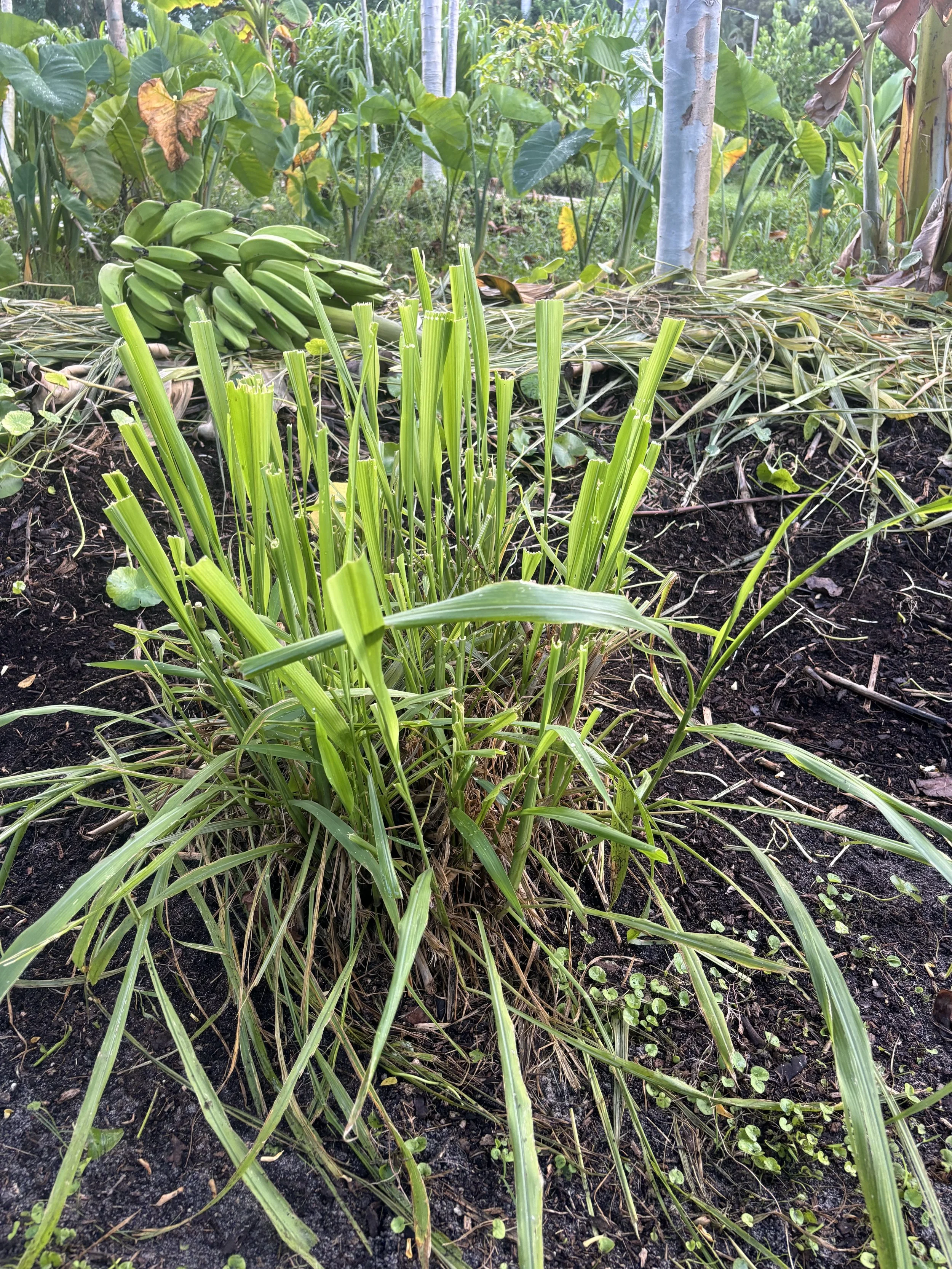 Image 2 of 4
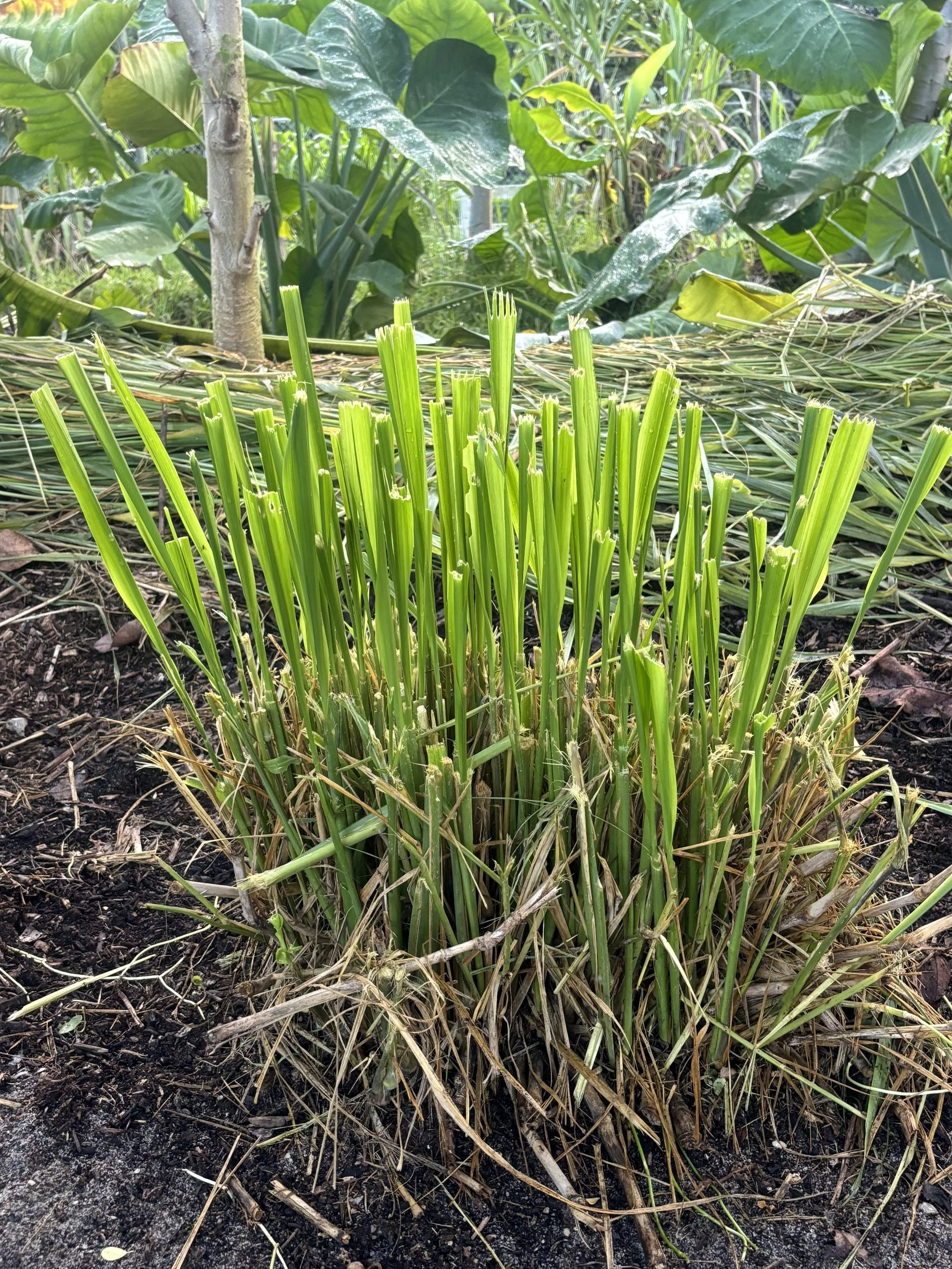 Image 3 of 4
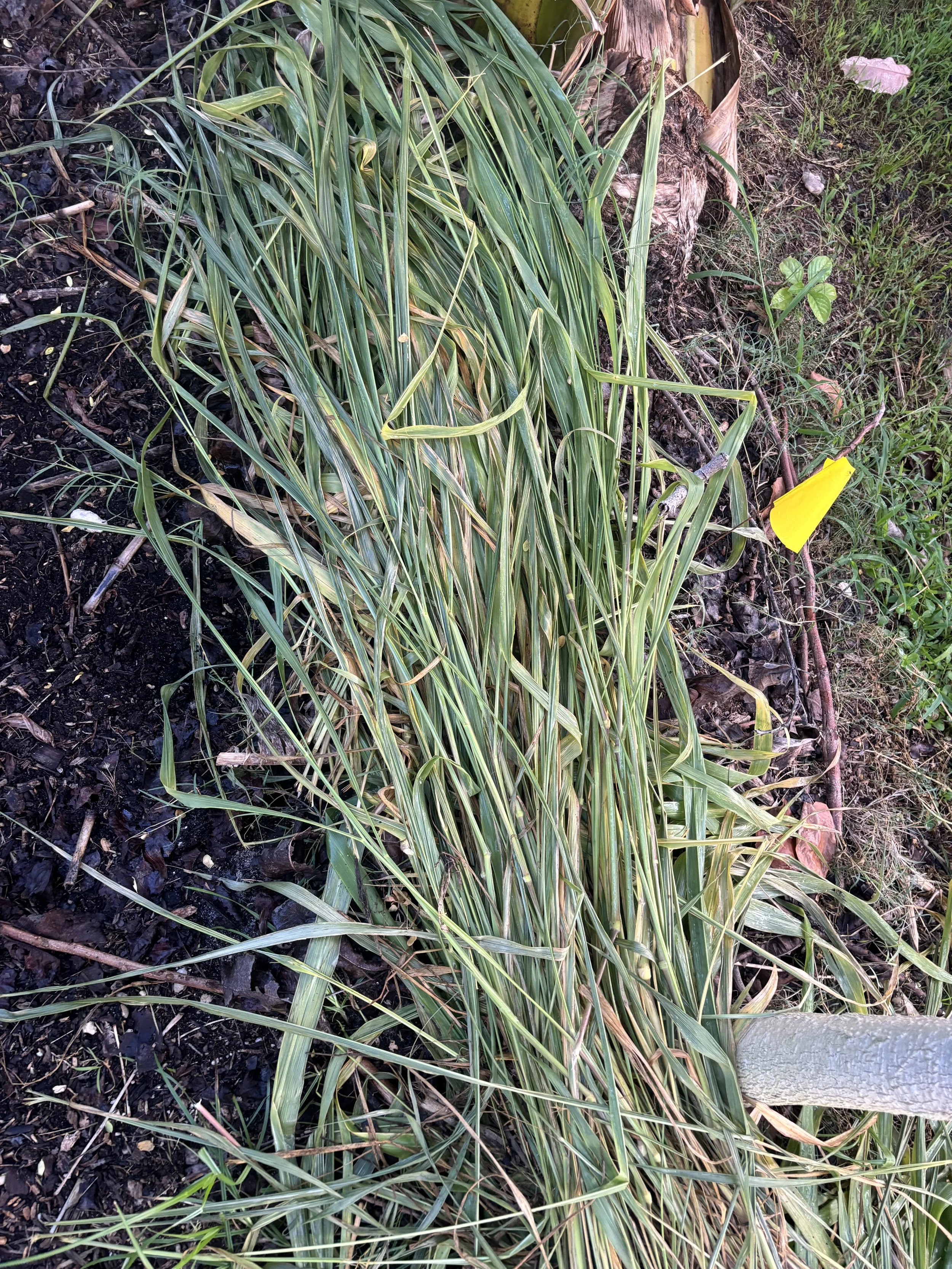 Image 4 of 4
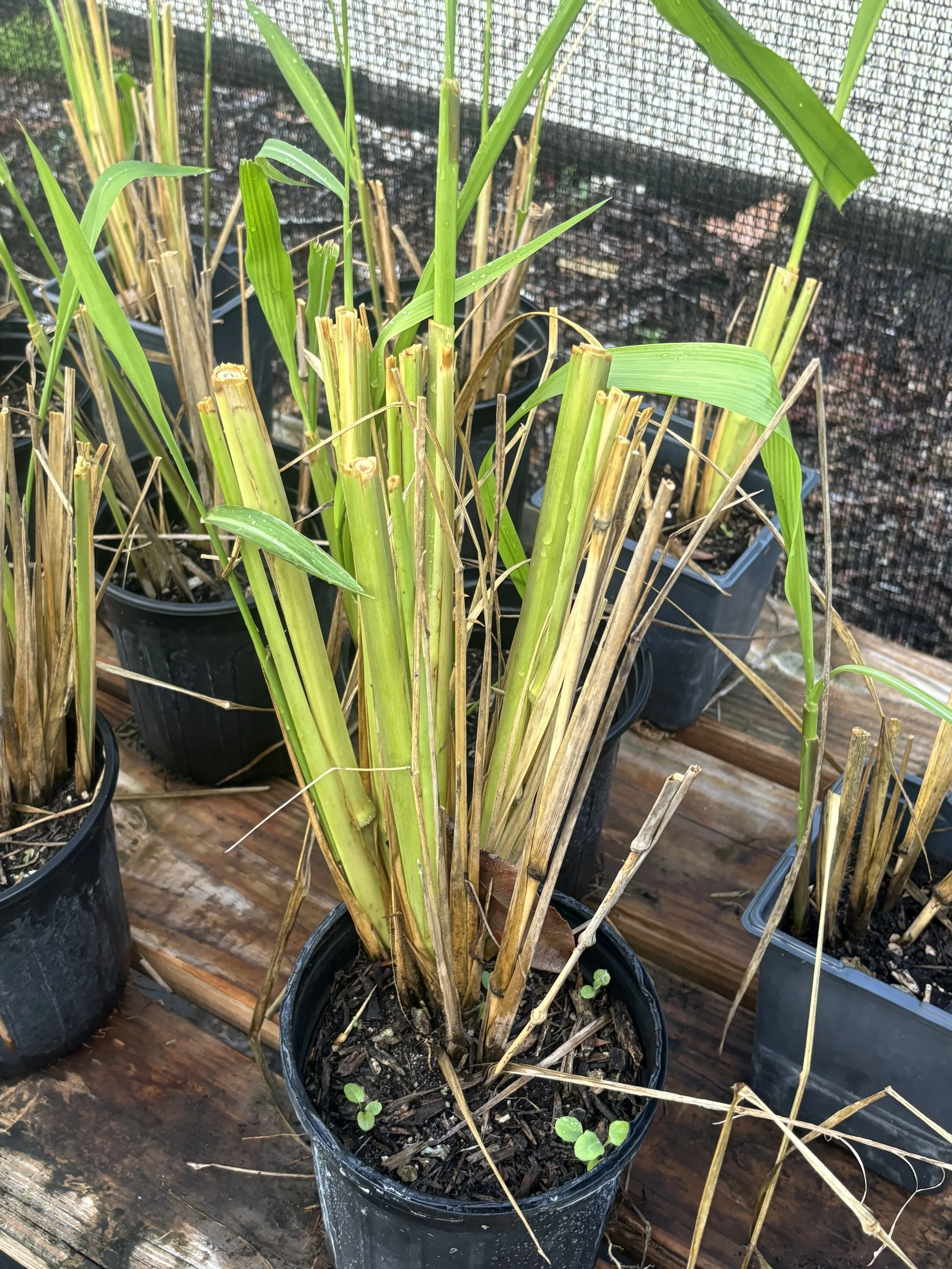
Mombasa grass is highly productive and drought-tolerant, making it an excellent choice for livestock forage due to its high protein content and palatability. It also helps improve soil structure and prevents erosion, making it beneficial for land management.
Advantages of Growing Mombasa Grass
Mombasa grass offers several benefits, particularly for livestock farming and land management.
Below are the key advantages:
High Nutritional Value
Protein Content: Mombasa grass has a protein content ranging from 12% to 18%, making it highly nutritious for grazing animals like cattle, sheep, and goats.
Palatability: Its tender leaves are more appealing to livestock, encouraging better feed intake and improving overall animal health.
Drought Tolerance
Resilience: Once established, Mombasa grass is drought-tolerant, which helps maintain forage availability during dry periods.
Water Efficiency: It requires moderate to high water but can survive with less once established, making it suitable for varying climates.
Soil Improvement
Erosion Control: The dense root system of Mombasa grass helps prevent soil erosion, particularly on slopes and degraded areas.
Soil Structure: It improves soil structure, enhancing fertility and promoting better water retention.
High Yield and Rapid Growth
Productivity: Mombasa grass is known for its high biomass production, providing ample forage for livestock.
Growth Rate: It establishes quickly, typically within 3-4 weeks, and can be harvested multiple times a year.
Versatile Uses
Forage Production: Ideal for grazing, hay, and silage, Mombasa grass can be used in various livestock feeding systems.
Cover Crop: It can also serve as a cover crop, helping to improve soil health and prevent weed growth.
Mombasa grass is highly productive and drought-tolerant, making it an excellent choice for livestock forage due to its high protein content and palatability. It also helps improve soil structure and prevents erosion, making it beneficial for land management.
Advantages of Growing Mombasa Grass
Mombasa grass offers several benefits, particularly for livestock farming and land management.
Below are the key advantages:
High Nutritional Value
Protein Content: Mombasa grass has a protein content ranging from 12% to 18%, making it highly nutritious for grazing animals like cattle, sheep, and goats.
Palatability: Its tender leaves are more appealing to livestock, encouraging better feed intake and improving overall animal health.
Drought Tolerance
Resilience: Once established, Mombasa grass is drought-tolerant, which helps maintain forage availability during dry periods.
Water Efficiency: It requires moderate to high water but can survive with less once established, making it suitable for varying climates.
Soil Improvement
Erosion Control: The dense root system of Mombasa grass helps prevent soil erosion, particularly on slopes and degraded areas.
Soil Structure: It improves soil structure, enhancing fertility and promoting better water retention.
High Yield and Rapid Growth
Productivity: Mombasa grass is known for its high biomass production, providing ample forage for livestock.
Growth Rate: It establishes quickly, typically within 3-4 weeks, and can be harvested multiple times a year.
Versatile Uses
Forage Production: Ideal for grazing, hay, and silage, Mombasa grass can be used in various livestock feeding systems.
Cover Crop: It can also serve as a cover crop, helping to improve soil health and prevent weed growth.